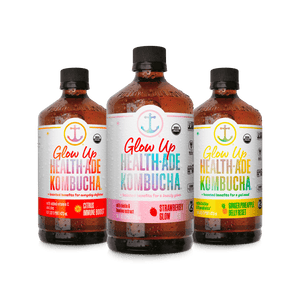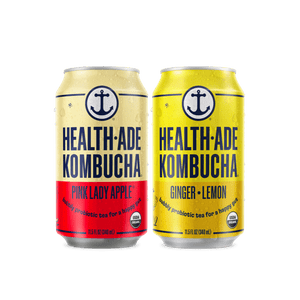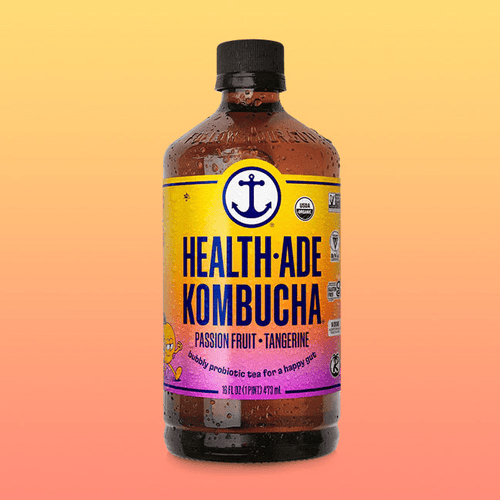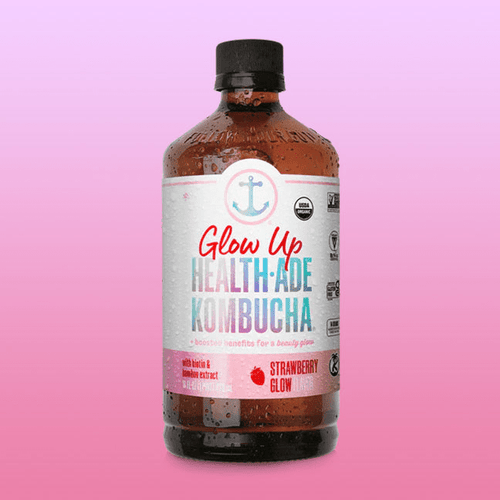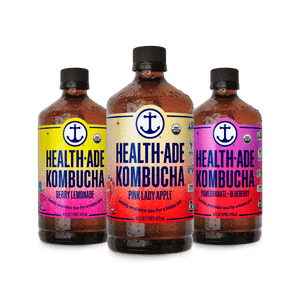
Kombucha | 12 Pack
Fan Favorite Variety Pack
One-time Purchase
49.95


Getting to know your gut should be simple, so we broke it down. No textbook required.

From the farmers market brewers to experts in gut health, get the full story.

We’re working hard to grow our sustainability efforts year over year.

Hear from nutritionists, wellness pros, and our very own team of experts on the blog.

Copied URL to clipboard!
You probably already know that drinking enough water is good for you. Improved skin health, more energy, fewer headaches…you’ve heard it. But here’s the part that tends to fly under the radar: hydration plays a surprisingly significant role in your gut health. And most people, even the ones who’re pretty tuned in to their wellness routines, aren’t thinking about the two together.
So let’s fix that.
At the most basic level, water is what helps keep your digestive system moving. It helps break down food in your stomach, supports nutrient absorption in your small intestine, and keeps things moving through your colon. Without enough of it, digestion slows down. You can get bloating, constipation, and that general “ughhh” feeling that’s hard to explain but very easy to feel.
According to the Mayo Clinic, drinking plenty of water helps keep your digestive system on track. Simple as that. But the science goes a bit deeper than just “drink more water.”
Here’s where it gets interesting. Research published in PubMed using data from the American Gut Project found that drinking water source and intake are associated with distinct gut microbiota signatures meaning the bacteria living in your gut actually reflect your hydration habits. [2] Your microbiome isn’t just influenced by what you eat; it can be shaped by what you drink, too.
A 2024 study published in ScienceDirect found that water intake may directly affect gut motility as well as stool consistency and frequency. When you’re chronically underhydrated, the balance of bacteria in your gut can shift in ways that aren’t great for you. [3]
Translation: skimping on fluids isn’t just making you thirsty. It may be quietly messing with your microbiome.
Dehydration doesn’t always announce itself with raging thirst. Sometimes it shows up in your gut first. A few things to watch for:
None of these are a diagnosis and there are plenty of reasons your gut might feel unhappy on any given day. But if you’re experiencing these regularly and your water intake isn’t great it’s worth connecting those dots.
General guidance (from sources like the National Academies of Sciences) suggests roughly 11–16 cups of total water per day for most adults, depending on body size, activity level, and climate. [4] But here’s the thing: total water includes the fluids you get from food and beverages, not just plain water.
Which means what you sip throughout the day counts — and the quality of those sips matters too.
This is where Health-Ade Kombucha comes in. Kombucha is made with water as its base so it contributes to your daily fluid intake but unlike plain water, it’s also delivering live probiotics and organic acids that support your gut microbiome directly.
Think of it as drinking something that hydrates and tends to your gut at the same time. Health-Ade’s kombucha is made with real tea, real cane sugar, and delicious real fruit juice. The result is a certified organic, probiotically powered beverage that’s a genuinely better-for-you option than most of what’s in the average fridge.
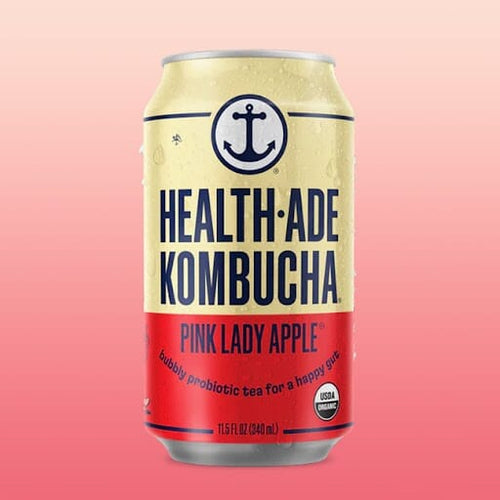
Whether you’re reaching for Pink Lady Apple, Ginger-Lemon, or Pomegranate Blueberry, you’re giving your gut something worth sipping.
You don’t need to overhaul your entire routine. A few small, consistent shifts go a long way:
Gut health conversations tend to center on what you eat: probiotics, fiber, fermented foods. And all of that matters of course but hydration is the often overlooked foundation that makes everything else work better. [5] Your gut is a living system and like any living system, it needs water to function.
So fill up the water bottle. Make the swap from that afternoon soda. Grab a Health-Ade Kombucha. Your gut is paying more attention than you think!
Sources
[1] Mayo Clinic — Water after meals: Does it disturb digestion?
[4] National Academies of Sciences, Engineering, and Medicine — Dietary Reference Intakes for Water
This content is for informational purposes only and is not intended as medical or nutritional advice. Always consult a healthcare professional with questions about your health.

Hello refreshing! Muddled blueberries, fresh mint, cucumber, and lemon come together for a bright...
Read more
This bright, berry-forward refresher is what happens when hydration gets a serious glow-up. Muddl...
Read more
This Korean-inspired punch bowl is summer in a bowl. Fresh watermelon, peaches, strawberries, and...
Read more