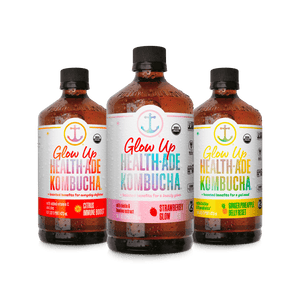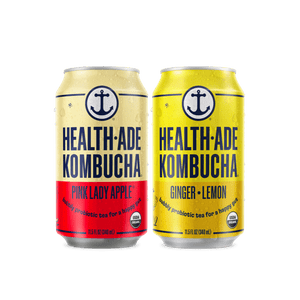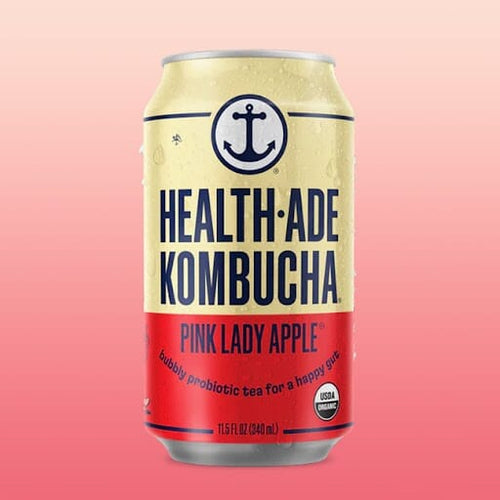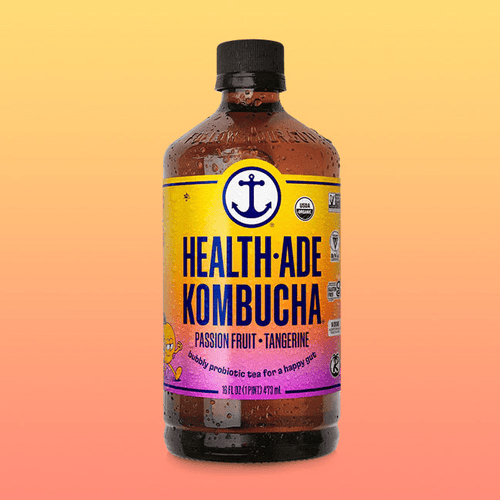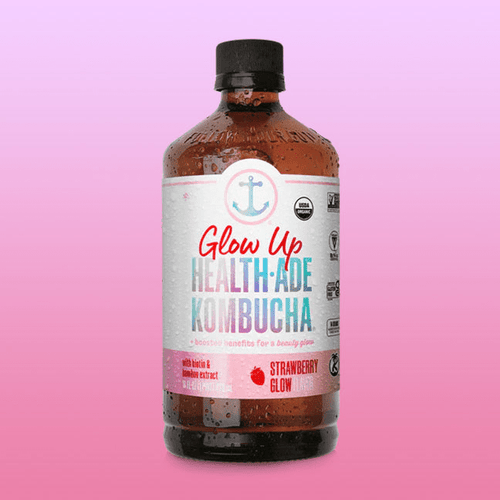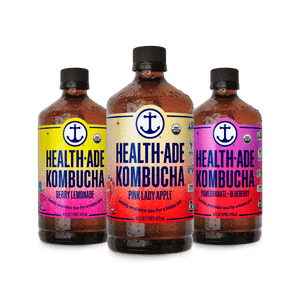
Kombucha | 12 Pack
Fan Favorite Variety Pack
One-time Purchase
49.95


Getting to know your gut should be simple, so we broke it down. No textbook required.

From the farmers market brewers to experts in gut health, get the full story.

We’re working hard to grow our sustainability efforts year over year.

Hear from nutritionists, wellness pros, and our very own team of experts on the blog.

Copied URL to clipboard!
A new year means a new round of wellness trends are taking social media by storm, each trying to convince you that they’re the secret to unlocking your best year yet.
But with so many ideas out there, how do you tell which ones actually support your long-term health and which are just cleverly packaged trends better left on your For You page?
In this blog, we’re breaking down the 2026 wellness trends your gut will love — and a few you may want to leave behind.
✅ Prioritizing fiber-rich foods. Foods that fuel the good bacteria in your gut are gaining major traction this year, including fruits, veggies, whole grains, nuts, and seeds.
Many of these foods contain prebiotic fiber which the good bacteria in your gut need to thrive and multiply. A higher fiber intake is also linked to smoother digestion, more regular bowel habits, and better regulated blood sugar levels. Plus, fiber-rich foods are filling, which can help you balance portions and feel satisfied between meals.
Ever heard of the “fibermaxxing” trend? It’s basically a cool way of saying, “I’m trying to eat more fiber” — and your gut loves to hear it!
While it can be exciting to jump into a new food trend, try not to increase your fiber intake too suddenly as this can lead to digestive discomfort. Instead, focus on gradually increasing your fiber intake from a variety of whole food sources until you reach the daily recommendation for adults (25g/day for women, 38g/day for men). Once you’re there, listen to your body’s feedback and chat with your doctor and dietitian to determine if eating beyond the daily recommendations could be beneficial for you.
And remember: fibrous foods need water to move through your GI tract, so stay hydrated as you up your fiber intake!
✅ Fermented and functional beverages. This year, you can expect to see a continued focus on drinks designed to make you feel better as you sip.
Fermented beverages like Health-Ade Kombucha are here to stay and they’re a source of probiotics that can support the health and diversity of your gut microbiome. We’re especially loving bright, flavorful blends (like the NEW Ginger Lemon Berry) which bring a refreshing twist to your daily routine. We also just love the growing interest in kombucha as a base for mocktails, since any reduction in alcohol is a win for your gut health!
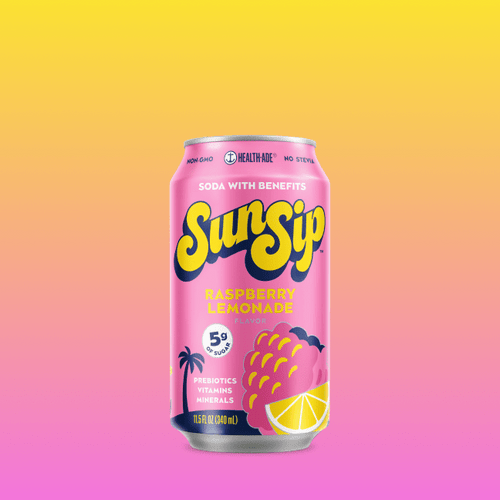
Another growing category of functional beverages is prebiotic sodas like SunSip . When you crack open a can, you can expect the sweet and nostalgic soda flavors you love with a few grams of fiber and less than a quarter of the added sugar found in traditional sodas.
✅ Movement snacks and the mind-body connection. Short bouts of activity sprinkled throughout the day are realistic ways to break up the time you spend sitting. Aiming for several of these “movement snacks,” especially after meals, can support your digestion, metabolism, and blood sugar regulation.
Practices like meditation, mindfulness, and reducing screen time aren’t just buzzwords! In fact, they can be an important part of your wellness routine that benefits your physical, mental, and emotional health.
❌ “Detox” diets and cleanses. These usually involve a lineup of shady supplements, teas, or juices that claim to help “reset” your gut. But in reality, these protocols are far more likely to leave you hungry, dehydrated, and missing the nutrition that your gut needs to thrive.
❌ Any diet that cuts out entire food groups. We wish it weren’t true, but there are some diets out there that discourage you from eating vegetables and whole grains. Any way of eating that tries to convince you that fiber isn’t beneficial is a no-go for good gut health.
❌ Over emphasizing protein and forgetting about fiber. Protein is an important macronutrient, and you need to include it in meals and snacks throughout the day. However, when protein takes center stage and fiber gets pushed aside your microbiome misses out on the fuel it needs to function optimally. Plus, lots of bars and other snack foods with tons of added protein often include sugar alcohols which can lead to increased gas and bloating for some.
❌ Going for very long periods of time without eating means that all your daily nutrition needs must fit into a short window of time. These extreme fasting windows are hard to balance properly, and they can often lead to struggles with binge eating.
Above all this year, remember that your health goals don’t have to be extreme to be effective. Wellness trends come and go, but your gut is with you for life! Cheers to a year of skipping the extremes and building habits that work with your gut, not against it.

Claire is a Registered Dietitian and Certified Intuitive Eating Counselor who's not on board with restrictive diets. She’s the owner and founder of Yours Chewly Nutrition, a virtual private practice where she helps individuals heal from chronic dieting and disordered eating so that they can discover peace and trust in their relationships with food + body. She’s also Health-Ade’s Registered Dietitian Advisor and loves educating employees and consumers about all things gut health from a non-diet perspective! She even writes a few blogs from time to time. Cheers!

Hello refreshing! Muddled blueberries, fresh mint, cucumber, and lemon come together for a bright...
Read more
This bright, berry-forward refresher is what happens when hydration gets a serious glow-up. Muddl...
Read more
This Korean-inspired punch bowl is summer in a bowl. Fresh watermelon, peaches, strawberries, and...
Read more