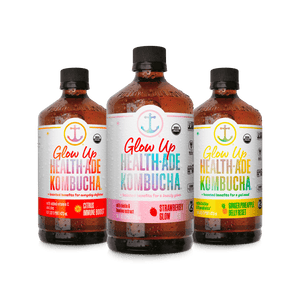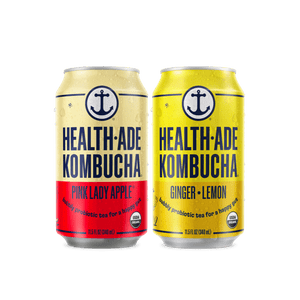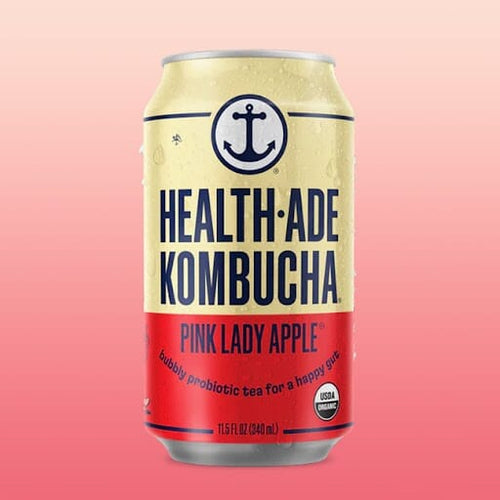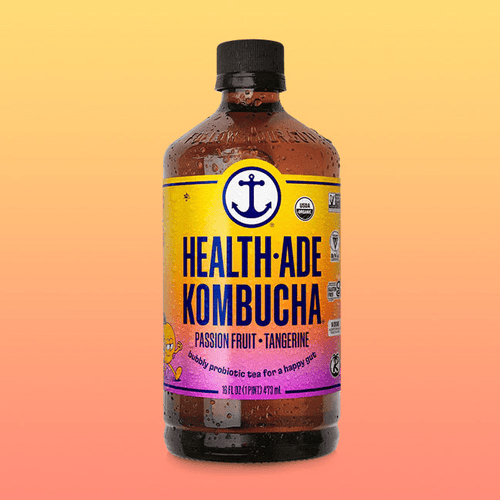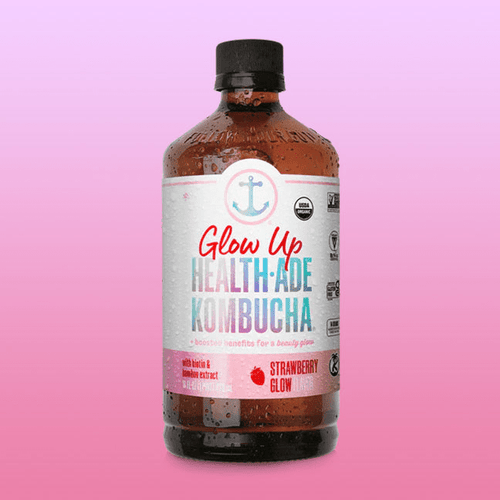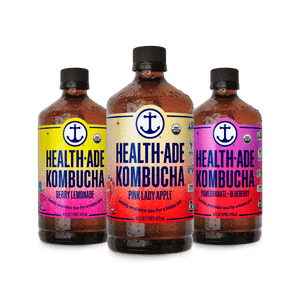
Kombucha | 12 Pack
Fan Favorite Variety Pack
One-time Purchase
49.95


Getting to know your gut should be simple, so we broke it down. No textbook required.

From the farmers market brewers to experts in gut health, get the full story.

We’re working hard to grow our sustainability efforts year over year.

Hear from nutritionists, wellness pros, and our very own team of experts on the blog.

Copied URL to clipboard!
February is the month of love, and this year we’re inviting you to fall for a relationship that supports you from the inside out every single day: your microbiome!
Let’s take a closer look at what the microbiome is, what factors influence the health of your microbiome, and simple habits you can practice supporting a thriving gut ecosystem.
You’ve probably heard the phrase “your microbiome” before. You can find tons of social media content about “balancing” or the importance of caring for it—but what does that actually mean?
Simply put, the microbiome is the genetic material of all the microbes (tiny living things that are too small to be seen with the naked eye) living on and inside the human body. Did you know that the typical human body consists of about 30 trillion human cells and 39 trillion microbial cells? (1) It’s no wonder why microbiomes are such a hot topic!
Multiple body systems are affected by the microbiome, one of those being your gut.
The phrase “your gut” is most often used when talking about your intestines, specifically your large intestine or your colon. The environment in your stomach and small intestine isn’t very welcoming for gut microbiota, so most of them live in your colon where there’s less oxygen, movement, and acidity.
Your “gut microbiome” is an ecosystem populated by trillions of microbes, including bacteria. You probably already know that these bacteria can affect digestive health, but emerging research shows that they may also impact the immune system, mental health, and more (1).
Your microbiome is unique to you and is influenced by so many things throughout your lifetime, including your genetics, environmental exposures, diet, and other lifestyle choices.
Researchers behind a 2024 study set out to track the microbiomes of 86 individuals for six years to better understand how an individual’s microbes shift during times of short illnesses or with the onset of chronic conditions like Type 2 Diabetes.
They found that in periods of health, a person’s microbiome was stable and rarely underwent drastic changes. They also confirmed prior research that shows similar bacteria are often found in the microbiomes of healthy people. During periods of acute illness or the development of diabetes, however, there was much more fluctuation in the bacteria making up the microbiome (2).
The massive size of the microbiome and its variability make it challenging to study, but this new data points to the fact that there’s no “gold standard” microbiome that everyone needs to achieve for optimal health. Instead, we should acknowledge that everyone has a personal microbiome that’s important for their own immune and metabolic health. How you feed and what you expose your microbiome to do matter, but don’t feel like you need to adhere to a limited diet or stressful checklist to build a “perfect” microbiome (spoiler alert: there’s no such thing)!
While there’s still so much to learn about this topic, there are definitely some big-picture health habits you can focus on to build a stronger and more stable gut microbiome.
Here’s a list of suggestions to get you started:
Your microbiome may not be the one writing you love notes or sending you flowers this February, but it's one of the longest relationships you have! Do your best to show it some love this month and beyond ❣️
Sources:
1. https://www.ncbi.nlm.nih.gov/books/NBK552459/
2. https://www.cell.com/cell-host-microbe/fulltext/S1931-3128(24)00056-8

Claire is a Registered Dietitian and Certified Intuitive Eating Counselor who's not on board with restrictive diets. She’s the owner and founder of Yours Chewly Nutrition, a virtual private practice where she helps individuals heal from chronic dieting and disordered eating so that they can discover peace and trust in their relationships with food + body. She’s also Health-Ade’s Registered Dietitian Advisor and loves educating employees and consumers about all things gut health from a non-diet perspective! She even writes a few blogs from time to time. Cheers!

Fixing your sleep and supporting your gut are more connected than they sound. The relationship ru...
Read more
This is the mocktail fall didn't know it needed! Fresh blood orange and lime get muddled with jal...
Read more
Warm spice meets bright citrus in this cozy-meets-refreshing mocktail. Fresh orange and lemon get...
Read more