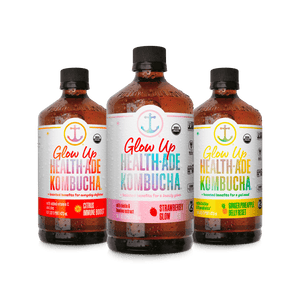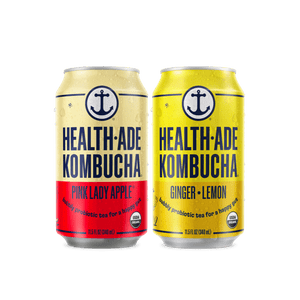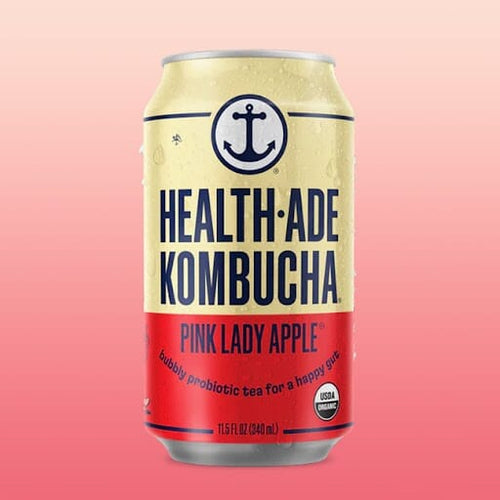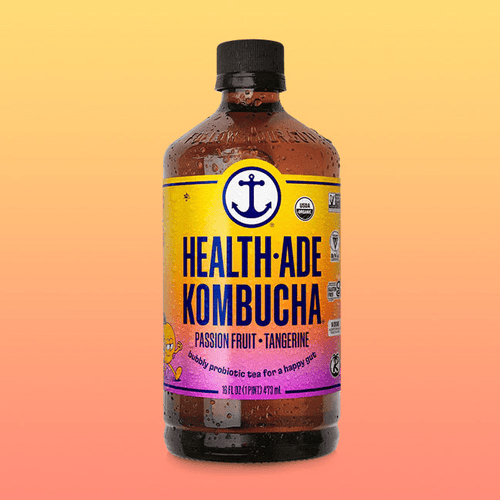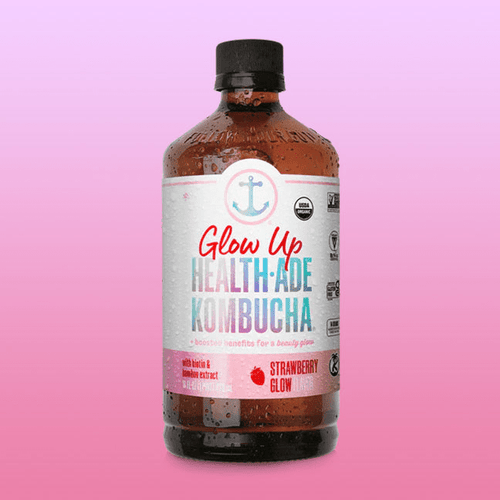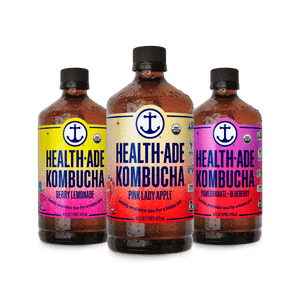
Kombucha | 12 Pack
Fan Favorite Variety Pack
One-time Purchase
49.95


Getting to know your gut should be simple, so we broke it down. No textbook required.

From the farmers market brewers to experts in gut health, get the full story.

We’re working hard to grow our sustainability efforts year over year.

Hear from nutritionists, wellness pros, and our very own team of experts on the blog.

Copied URL to clipboard!
If you’ve spent any time in the wellness space lately, you’ve probably heard the phrase “gut health” thrown around a lot. Probiotic this, prebiotic that fermented everything. It can feel like you need a nutrition degree just to figure out what to eat for breakfast.
But building a gut-healthy plate isn’t about following a rigid framework or overhauling everything you eat. It’s about understanding a few foundational principles and finding simple, enjoyable ways to work them into how you already eat. Whether you’ve been thinking about gut health for years or you just heard the term for the first time last week, this blog can be a solid starting point!
Your gut is home to trillions of microorganisms (bacteria, fungi, and other microbes) collectively known as your gut microbiome. This community plays a role in how you digest food, how you absorb nutrients, and how your body functions day to day.
The good news: your diet is one of the most direct ways to support that community. Research from Harvard Health consistently points to a diet that includes a variety of fiber-rich plants and fermented foods as a practical, evidence-backed approach to microbiome support.[1][2] You don’t need supplements, expensive programs, or a complete lifestyle overhaul. You just need to eat with your gut in mind, a little more intentionally, and a lot more consistency.
1. Fiber
Fiber is the foundation. It’s the part of plant foods your body can’t digest but your gut microbes can. When gut bacteria break down fiber, they produce short-chain fatty acids (SCFAs) like butyrate, which help nourish the gut lining and support the overall health of your digestive tract.[4]
According to the Mayo Clinic, it’s not just about getting enough fiber; it’s about eating a variety of fiber-rich foods, because different fibers feed different bacteria.[3] The more diverse your fiber sources, the more diverse your microbiome tends to be.
Good sources of fiber to build around:
Aim to include at least one or two fiber sources at each meal. Variety over the course of a week matters more than perfection in any single sitting.
2. Fermented Foods
Fermented foods are where probiotics come from. During fermentation, beneficial microorganisms break down sugars and starches, producing the live cultures that contribute to a diverse microbiome when consumed.[5]
A landmark study from Stanford found that participants who increased fermented food consumption showed an increase in gut microbiota diversity and a decrease in markers of gut disruption making it one of the most direct pieces of evidence for the fermented food-gut health connection.[6]
Fermented foods to know:
Now look, you don’t need all of them but picking one or two you genuinely enjoy and making them a consistent part of your routine is more valuable than trying everything at once. And Health-Ade Kombucha is one of the easiest daily entry points! It’s a bubbly, probiotic tea that works as a standalone drink or a swap for whatever you’d be reaching for otherwise.
3. Hydration
Hydration is the most overlooked pillar of gut health. Water keeps your digestive system moving by supporting the muscle contractions that push food through your gut, helping dissolve nutrients for absorption, and keeping stool consistency where it needs to be.
A 2024 study found that water intake directly affects gut motility and stool consistency, and that chronic underhydration can disrupt the balance of microorganisms in your gut.[7] Separate research using data from the American Gut Project found that drinking water intake is associated with distinct gut microbiota signatures meaning that hydration habits leave a visible mark on your microbiome.[8]
A few hydration habits worth building:
The goal isn’t to chug water constantly. It’s to keep fluids moving through your system consistently throughout the day.
4. Variety
Here’s a principle that ties everything together: diversity in your diet drives diversity in your microbiome. A diverse microbiome is generally more resilient! It becomes better equipped to support digestion, adapt to disruptions, and keep your gut functioning the way it should.
The goal is to eat a wide range of plants over the course of a week: different vegetables, different fruits, different grains, and legumes. Try rotating your fermented foods rather than defaulting to the same one every day. And try not to put too much pressure on any one meal as gut health is built over time through consistent, varied habits, not perfected in one sitting.
No need to overcomplicate it. A simple gut-healthy plate might look like:
That’s it. No macros to track, no foods to eliminate. Just a framework that covers the bases.
Gut health isn’t about perfection. It’s not about eliminating entire food groups, following a specific protocol, or overhauling your diet overnight. The research is clear that consistency and variety over time are what moves the needle, not any single “super food” or short-term reset.
Start where you are. Add one more vegetable this week. Swap your usual lunch or dinner time bevvy for a Health-Ade Kombucha. Throw some kimchi on your eggs. And just build from there.
Your gut is more adaptable and more forgiving than most people assume. Give it a little more of what it needs consistently and it’ll take care of the rest.
Sources
[1] Harvard Health Publishing — Feed Your Gut
[3] Mayo Clinic Press — Why Fiber Matters: Essential Foods for a Healthy Gut Microbiome
[4] Mayo Clinic Press — Gut Microbiome Care: How Fiber Supports Digestive Health
[5] PMC / NIH — Fermented Foods, Health and the Gut Microbiome (2022)
This content is for informational purposes only and is not intended as medical or nutritional advice. Always consult a healthcare professional with questions about your health.

Apple cider season, meet your new best friend. Fresh cider and bubbly Pink Lady Apple Kombucha ov...
Read more
Fixing your sleep and supporting your gut are more connected than they sound. The relationship ru...
Read more
This is the mocktail fall didn't know it needed! Fresh blood orange and lime get muddled with jal...
Read more